



*By completing this form you are signing up to receive our emails and can unsubscribe at any time.
©2026 United World Wrestling
Once an Asian wrestling powerhouse, Korea is seeking a revival after years of decline as it targets a return to the top at the 2026 Asian Games in Aichi-Nagoya.
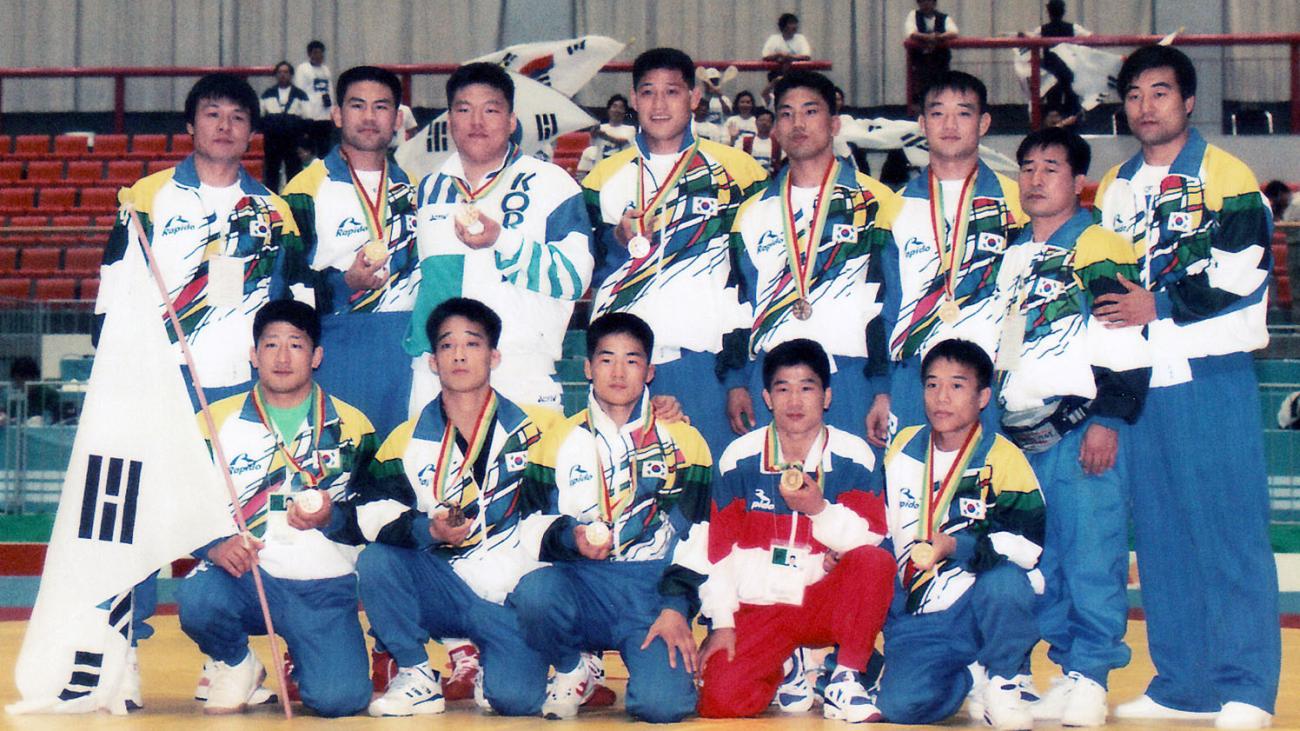
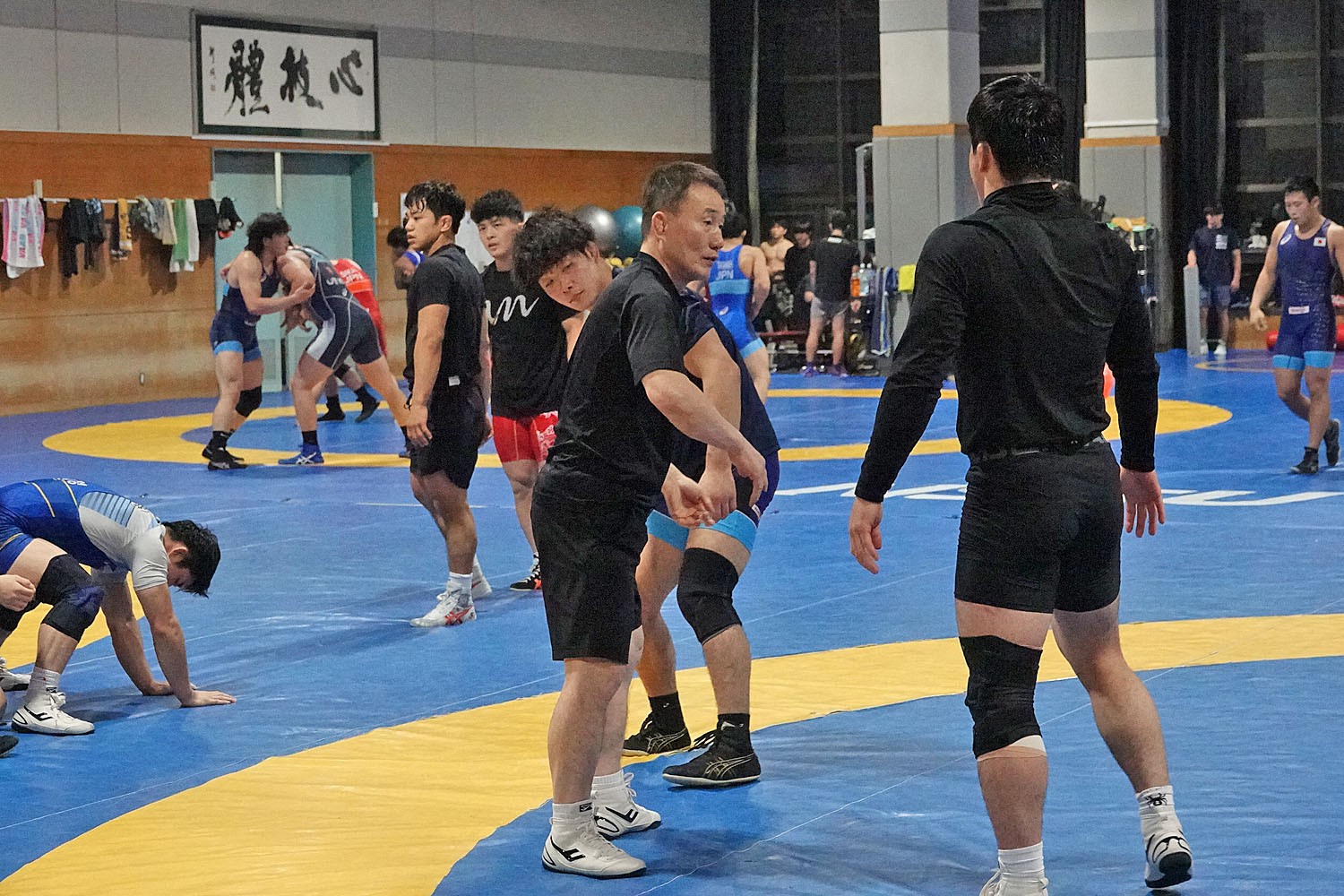
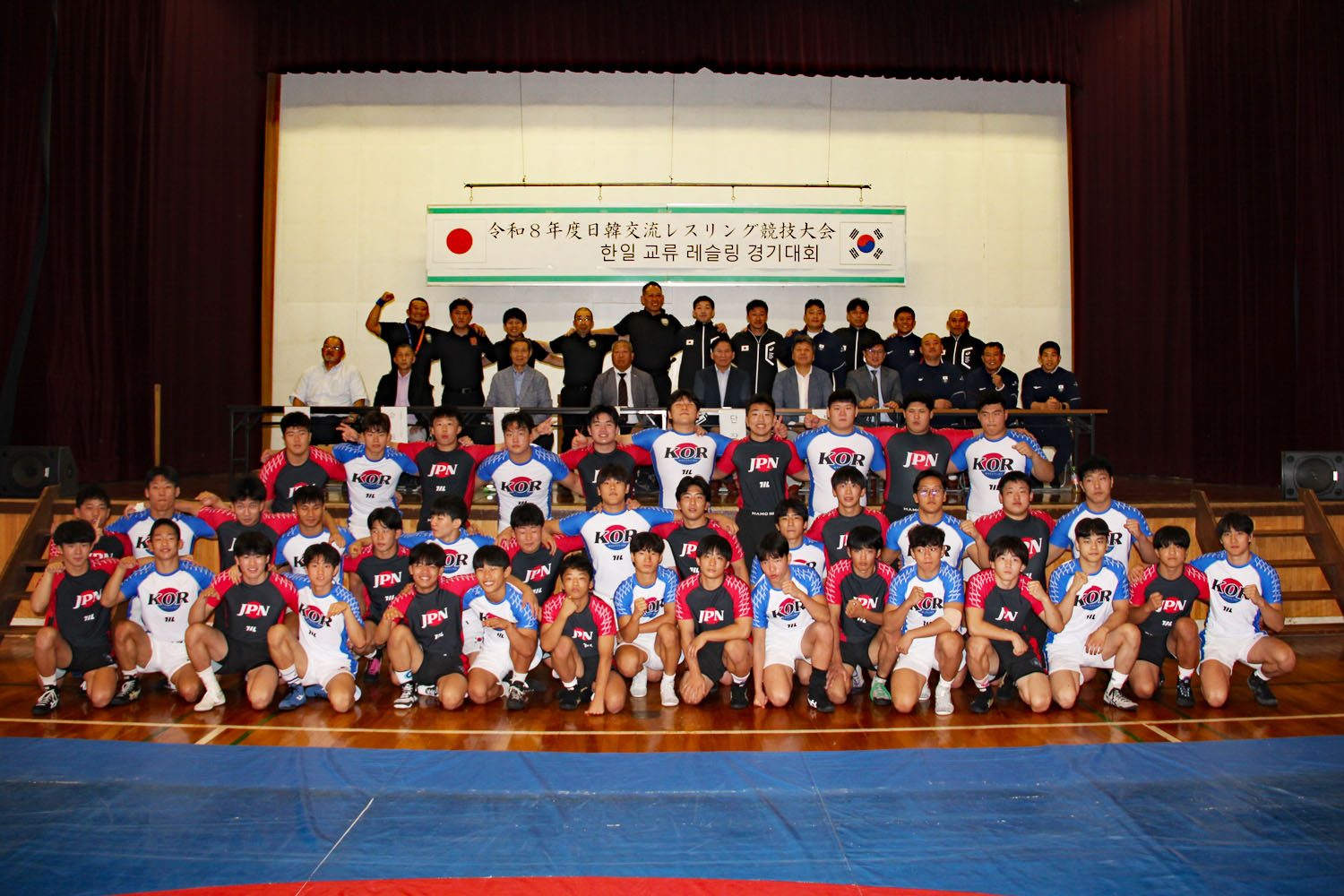
NAGOYA, Japan (September 23) -- Japan and Korea have held high school exchange matches for over three decades. While Japan had held the overall winning record across both wrestling styles since 2014, the result of a dual meet held in Sapporo on September 1 surprised a few.
Korea drew 10-10 against Japan in the high school exchange matches. The strong performance of the young squad -- led (coached) by 2004 Athens Olympic gold medalist Ji-Hyun JUNG (KOR) -- produced a result that could signal a comeback for Korea.
Mitsuoki HIRAI, the high school division's development committee chairman, remarked, "The level of competition in Korea is rising."
Hirai, who represented Japan at the 1998 Asian Games, added, "During my competitive days, 'defeating Korea' was my goal -- they were our rivals. I sincerely hope for the resurgence of these worthy rivals. I want us to inspire one another and cultivate great athletes."
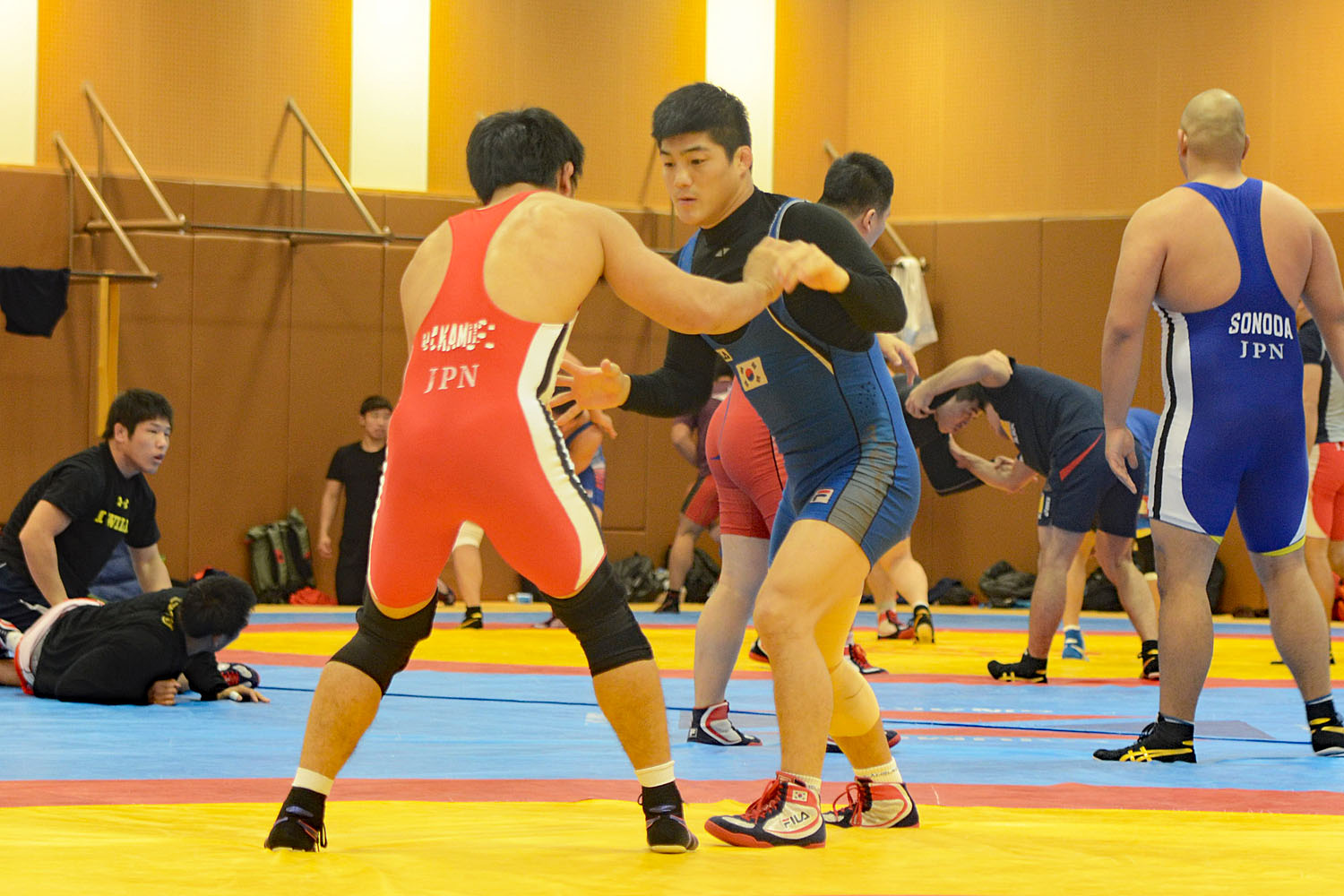
Once considered the 'leader of Asia, Korea saw its hold loosen over wrestling towards the late 2000s and before wrestling begins at the 2026 Aichi-Nagoya Asian Games next week, the question is: how many medals will it secure?
Yoshihito YAMAMOTO, currently the head coach at Chuo University in Japan, lived in South Korea from 2002 to 2007, where he studied at the Korea National Sport University and even participated in national team training sessions. When he asked friends in the Korean wrestling community about the upcoming Asian Games, the consensus was that they would likely win only one or two medals.
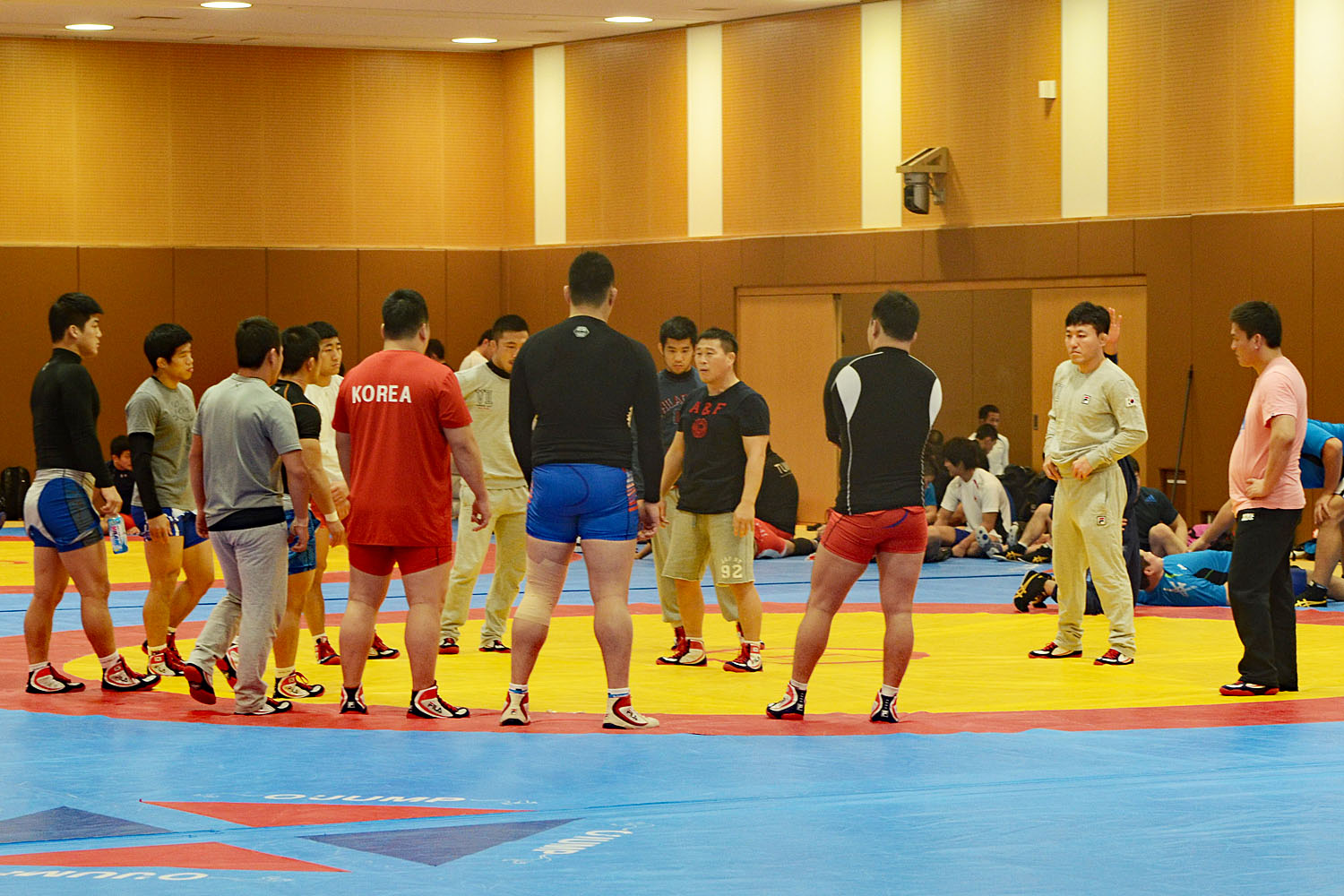
Wrestling holds a special place in the Korean sports world. Following the nation's liberation in 1945, the first Olympic medal won by Korea in any sport was secured by wrestler Chang-sun CHANG (KOR) (who passed away on July 20 of this year). He won a silver medal in the Freestyle 52kg category at the 1964 Tokyo Olympics.
Two years later, at the World Championships, he became the country's first-ever world champion across all sports. Competitive prowess surged during the build-up to the 1988 Seoul Olympics, driven by the 'hunger' of wrestlers.
Chang, the first to become a world champion, was born into extreme poverty. His world title victory earned him a house from the government -- something he otherwise could never have afforded. The prospect of a wealthy lifestyle following athletic success became a powerful motivator across many sports, fueling the rise of Korea.
Subsequently, a system was established to provide Olympic gold medalists with a lifelong sports pension. Motivated by such rewards, athletes trained with fierce determination, propelling the nation to become a global wrestling powerhouse.
However, Korea has not enjoyed wrestling success in recent years.
At the Tokyo Olympics in 2021, the team fell short of winning a medal for the first time since the 1972 Munich Games. They also came away empty-handed at the 2024 Paris Games. At the 2023 Asian Games, they managed only two bronze medals in Greco-Roman.
The decline in wrestling prowess stems from the long passage of time since the 1988 home Olympics.
In the past, athletes often channeled their resentment toward the grueling physical conditioning inflicted by coaches into the drive to become stronger. Today, however, training methods have changed.
Myung-woo HAN (KOR) -- a 1988 Seoul Olympics gold medalist -- visited Japan in the autumn of 2023 for a high school friendly competition. He remarked, "We can no longer employ the 'Spartan-style' training of my era, and things don't always go the way we want."
Jeong-geung LEE (KOR), a 1986 Asian Games gold medalist, who until recently coached at Chuo University, described the situation in Korea by noting, "If you say anything even slightly harsh, they quit."
He belongs to a generation that grew stronger by channeling the energy of resistance against strict coaching methods. When asked about this, he waved his hand dismissively and laughed, saying, "That’s impossible."
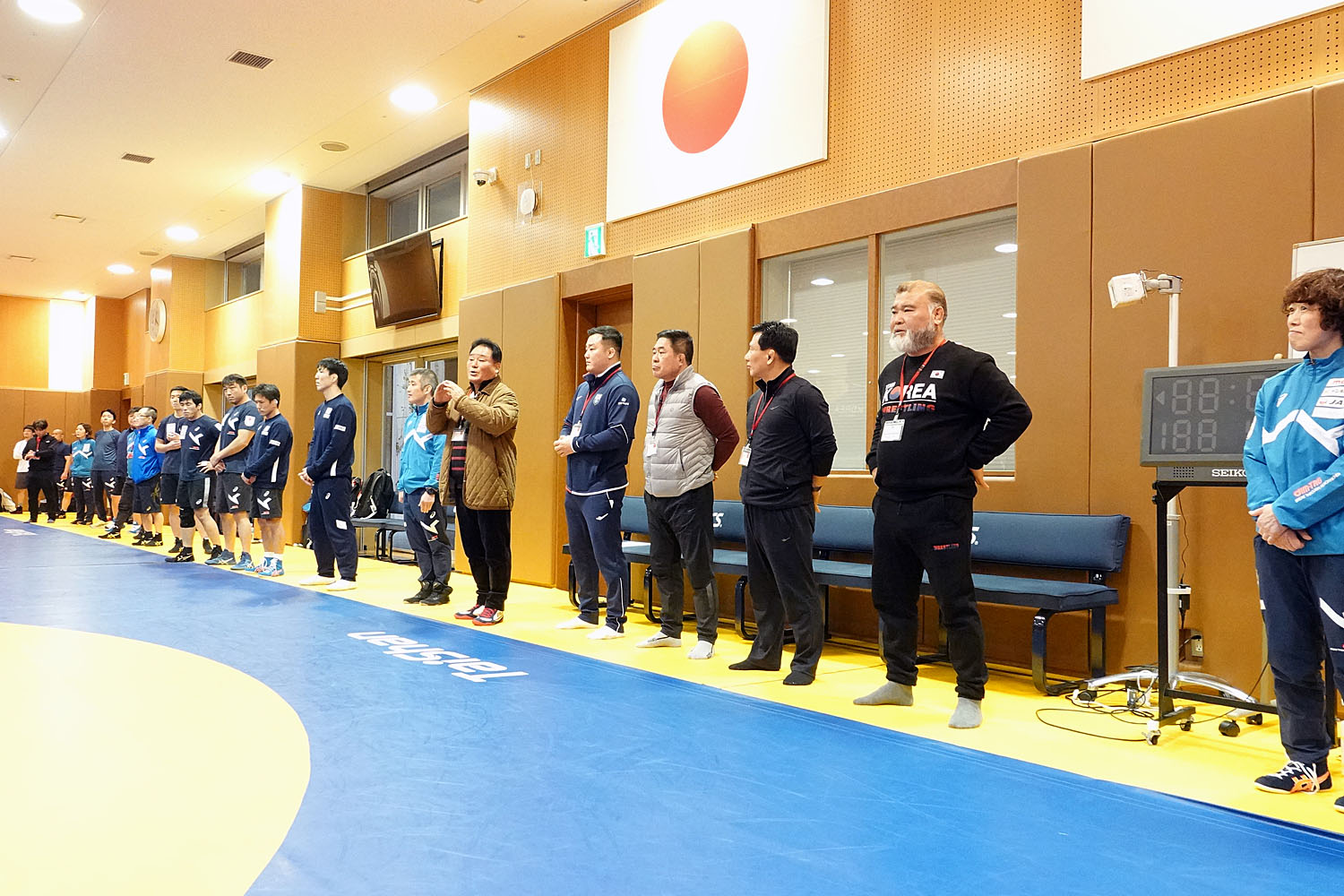
Yamamoto, Chuo University head coach, who maintains ongoing ties with the Korean wrestling community, identifies a key issue: "Coaches on the ground have not adequately adapted to the changing systems surrounding athlete development and training."
Issues regarding the academic management of athletes on sports scholarships have led to stricter requirements for class attendance and academic performance in school sports teams. The old model of athlete development -- centered on long hours of practice -- is no longer viable. Instead, there is a need to systematically improve competitive ability while balancing academics and training.
Factors such as concerns over job security, internal interpersonal dynamics, and performance evaluation criteria make it difficult for coaches to proactively embrace change or take on new challenges.
Yamamoto argues that revitalizing Korean wrestling requires "a new athlete development system that integrates scientific training, professional athlete management, systematic support for career and educational paths, mental training, and opportunities for international exchange and competitive experience."
Athletes will gather for a sport if they can envision a goal of winning on the global stage, even if the training is grueling. In this regard, Chung Han-jae’s silver medal in the men’s Greco-Roman 63kg category at last year’s World Championships is a promising sign. It marked Korea’s first medal in seven years, following Kim Hyeon-woo’s bronze in the 77kg category in 2018.
If we consider that the emergence of a specific wrestler to aim for drives performance improvement, it is safe to say that South Korea has firmly embarked on the path to a comeback.
At the Aichi-Nagoya Asian Games, the Korean team will be led by Chung who will try to win a second straight Asian Games medal. He finished with a bronze medal at 60kg at the last edition in Hangzhou.
Minseok KIM (KOR) at 130kg, a bronze medalist from the Asian Championships, is another hopeful as he looks to improve on his bronze-medal finish from Hangzhou as well. Asian bronze medalist at 77kg Yeonghun NOH (KOR) will also fancy his chances at the Asian Games.
Youngjin KWON (KOR), a two-time Asian Championships bronze medalist, will be a favorite for Korea to open the medal account in Women's Wrestling.
Preview: New Era at Greco 130kg as Hedayati Debuts
21 October 2026
Preview: Japan Targets Women’s Wrestling Crown at World Championships
20 October 2026
Preview: Clash of Champions at World Championships
19 October 2026
Khateri's Epic Comeback for Gold Seals Team Title for Iran
19 October 2026
Russia, Iran Locked in Close Team Title Race at U23 World Championships
18 October 2026
Bondar Wins Gold on Return as Ukraine Wins Team Title
17 October 2026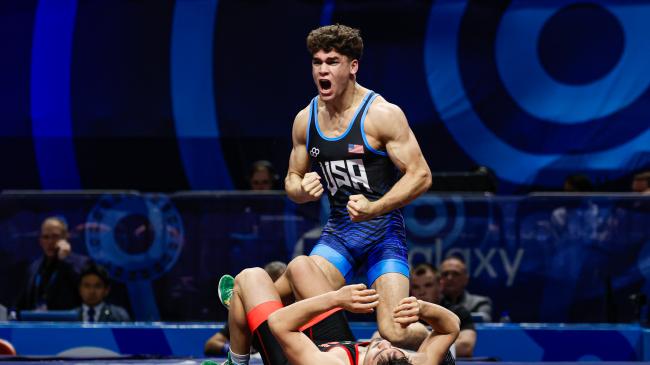
Baitukaev, James Set Up 74kg Final at U23 World Championships
17 October 2026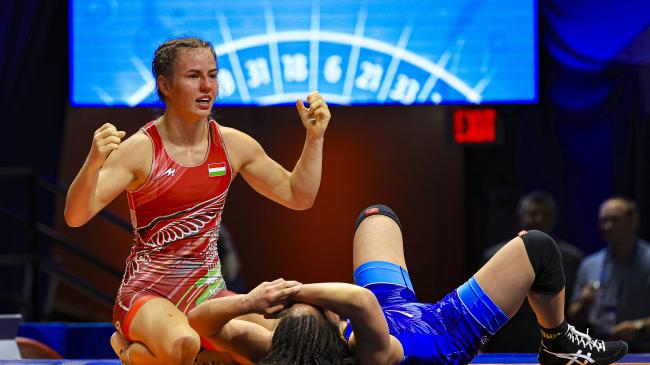
Terek Becomes Hungary's First Women's U23 World Champion
16 October 2026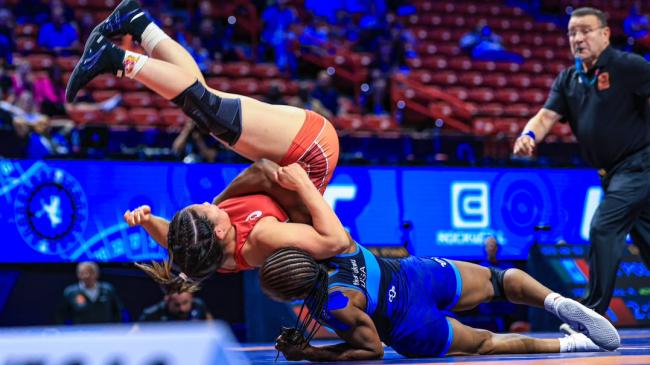
WATCH: Nwachukwu's One-Handed Five-Point Move
15 October 2026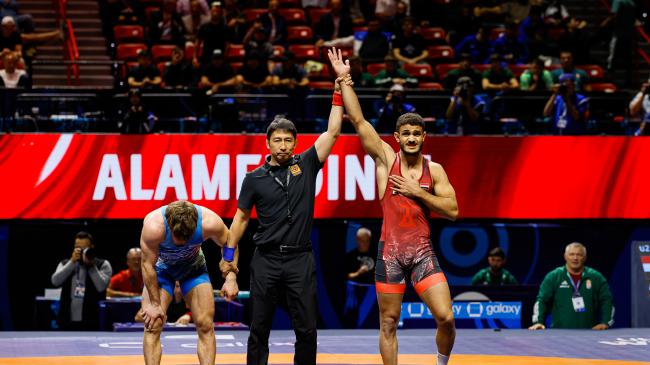
Alameldin Prevails Over Levai; Iran Wins Greco-Roman Team Title
15 October 2026