*By completing this form you are signing up to receive our emails and can unsubscribe at any time.
©2026 United World Wrestling

UWW DNSS programme was conducted in conjunction with Olympic Solidarity, United World Wrestling, the Jordan Wrestling Federation and the Palestinian Wrestling Federation with 24 Palestinian participants.
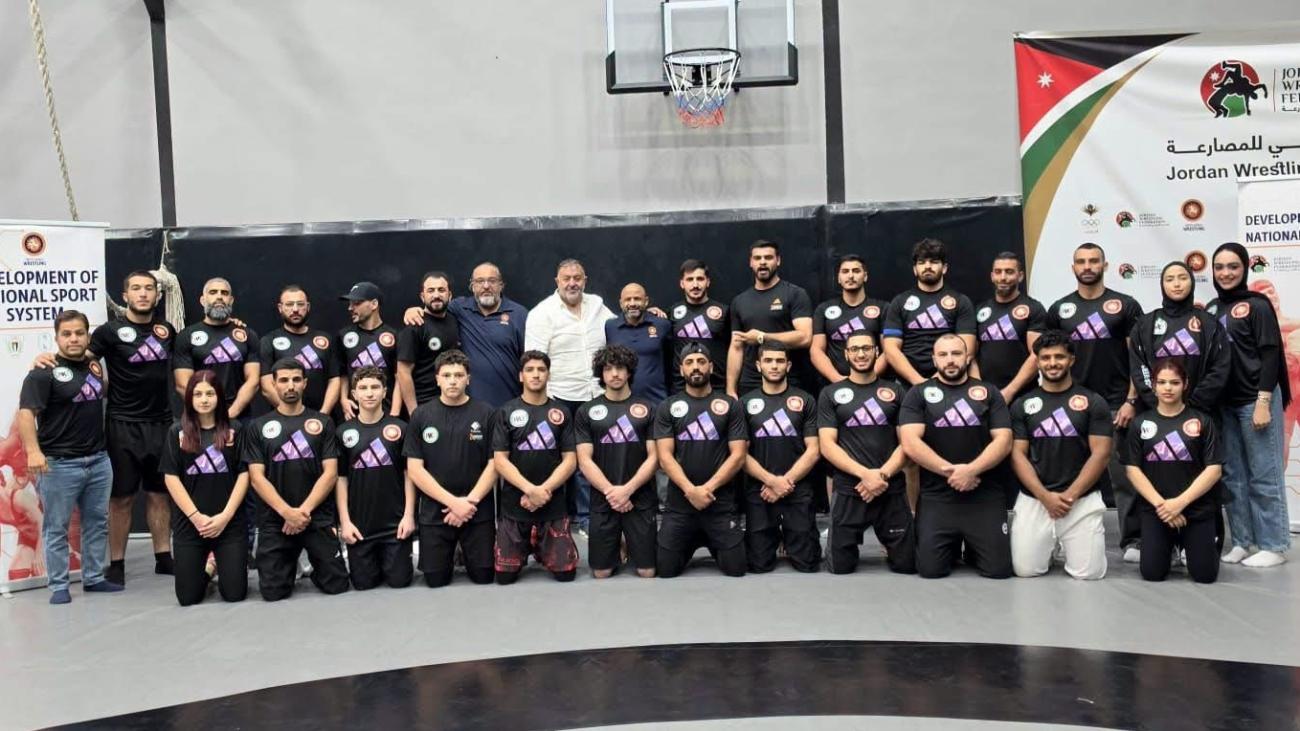
AMMAN, Jordan (September 25) -- Palestinian wrestling reached another important milestone with the successful completion of the second phase of the Development of National Sport Structure (DNSS) programme, combining coach education, athlete development, international cooperation and competition experience.
The programme was conducted in conjunction with Olympic Solidarity, United World Wrestling, the Jordan Wrestling Federation and the Palestinian Wrestling Federation, providing Palestinian coaches and athletes with opportunities to learn, train and compete in a high-level sporting environment.
A total of 24 Palestinian participants took part in the programme, with 13 coaches successfully completing the education component and 11 wrestlers participating in a two-week training camp.
UWW Educators Ahmed KHEDHRI and Hassan MADANI led the coaching education programme, combining classroom instruction with practical, on-mat learning designed to give coaches methods and knowledge they can apply directly within their programmes.
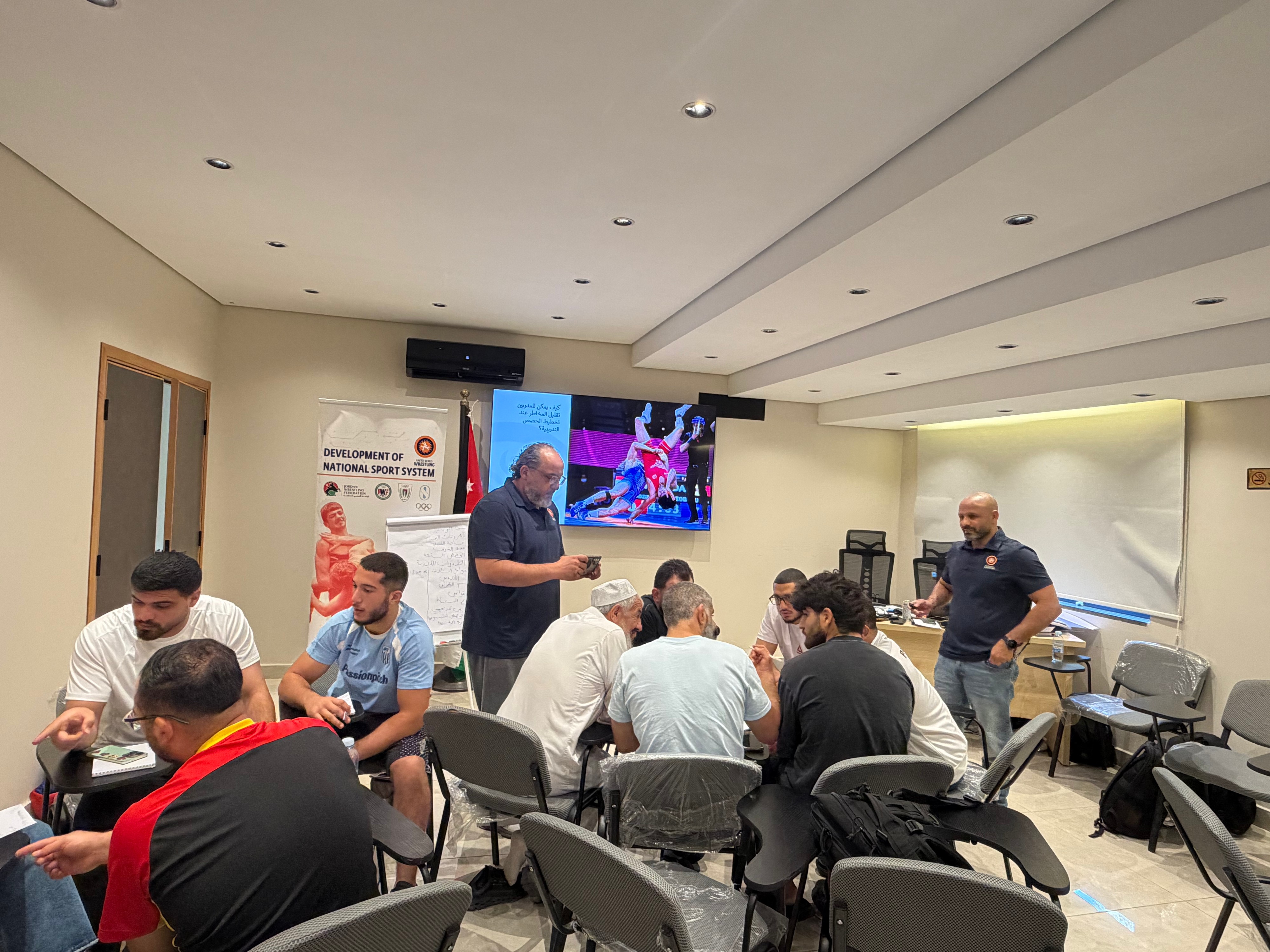
The course covered a wide range of coaching and athlete-development topics, including the role and responsibilities of the coach, communication, teaching methodology, athlete safety, safeguarding, anti-doping, prevention of competition manipulation, practice planning, performance analysis, competition strategy and wrestling rules.
“Our primary objective throughout this initiative was to empower the coaches with modern, adaptable methodologies that they can immediately put into practice," Madani said.
Participants also worked with the UWW Academy and Wrestling4Fun, while practical sessions addressed the seven basic wrestling skills, offensive and defensive techniques, standing and par terre wrestling, physical preparation and effective session delivery.
Rather than relying solely on classroom instruction, the course placed participants in active coaching situations through discovery games, key-factor teaching, peer delivery, feedback and on-mat error correction.
"True development happens when knowledge is paired with practical experience and sustained mentorship," Khedhri said. "Over the course of this program, we didn't just teach technical mechanics, we worked together to build a shared coaching philosophy tailored to youth and elite development.”
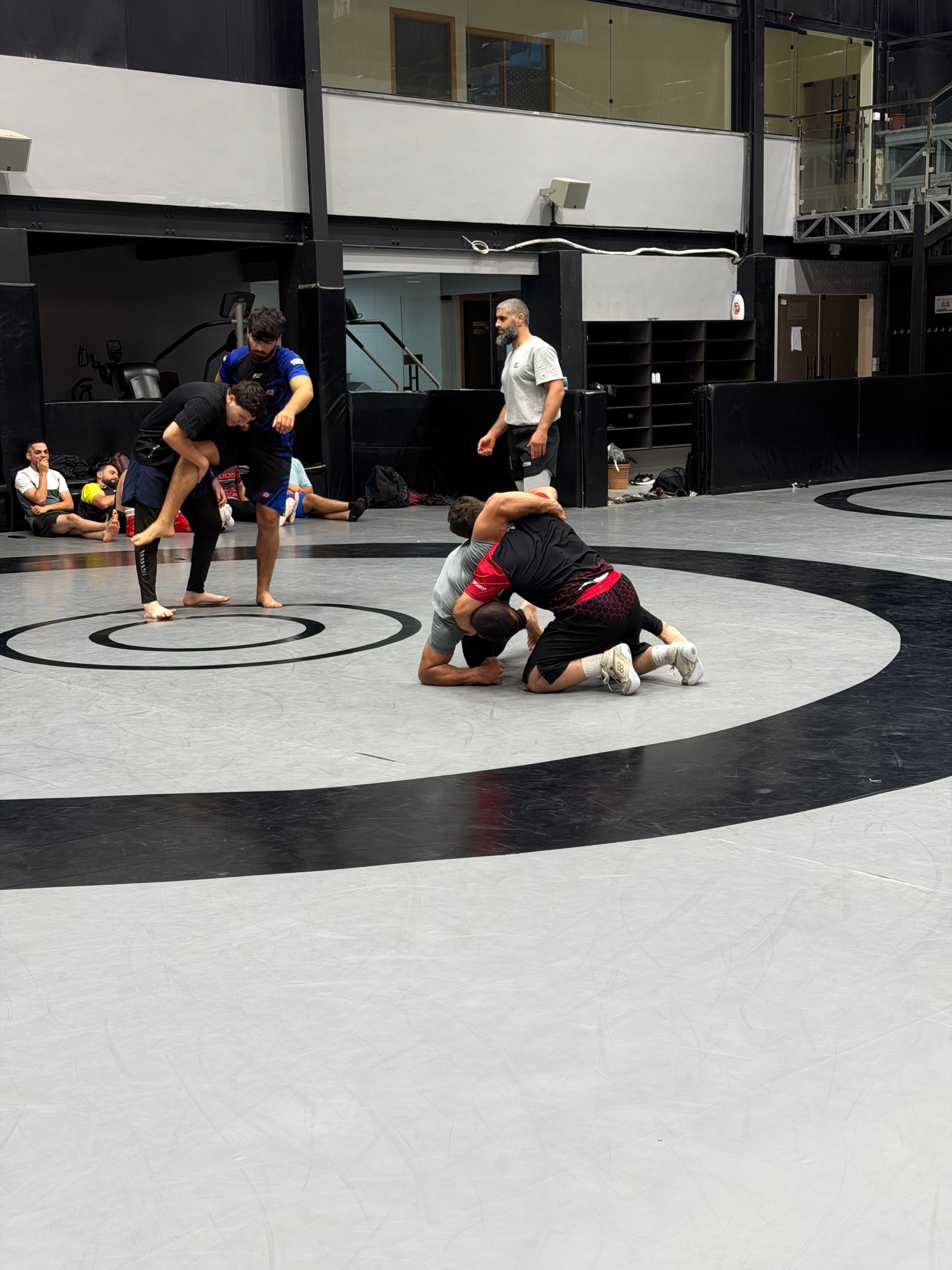
The DNSS programme extended beyond coach education with a two-week training camp for Palestine. The 11 participating Palestinian wrestlers trained alongside the Jordan team, providing valuable exposure to a different training environment and creating opportunities for athletes and coaches to exchange knowledge and experience.
The Palestinian team also had the opportunity to compete in the Jordanian National Championships, providing a competitive setting in which the lessons from the course and training camp could be applied on the mat.
“Seeing them bridge the gap between classroom theory and live competition at the Kingdom Championship gives me full confidence in the long-term growth of Palestinian wrestling,” Madani said.
For the athletes, the joint training sessions provided an important opportunity to test themselves against a high-level national team.
Wrestler Ali Ziad Hassan ALIAN, who also participated in the first stage of the Palestinian Coaches Development Programme, said the second phase contributed to his technical, physical and tactical development.
“I gained valuable experience through training alongside the Jordanian national team and participating in their training sessions," he said.
Wrestler Malek Thaeer NAKHLA also highlighted the impact of the camp.
“Days of hard work, challenges, and learning pushed me to grow and improve as a wrestler. I am grateful for the experience, proud to represent Palestine, and motivated for what comes next," he said.
For Firas DOUDIN, President of the Palestinian Wrestling Federation, the programme represents an investment that extends beyond the immediate activities in Jordan.
“This project represents much more than the completion of a coaches course or a training camp. It is an investment in our people and in the future of Palestinian wrestling," Doudin said. “The knowledge, experience and commitment demonstrated by our international educators had a meaningful impact on everyone involved. Their professional, supportive and almost fatherly and brotherly approach created an environment where our coaches and athletes could learn, ask questions, develop and gain confidence.”
The impact of the programme was reflected in the response from participants. Coach Izzeddin Ibrahim AL ASAFRA said the course gave him new tools for working with athletes of different ages and abilities.
“The course provided new technical and coaching knowledge and helped me better understand how to teach skills progressively, correct mistakes, structure training sessions, and adapt coaching methods to the age and level of athletes.”

World Championships 2026: How to Watch Live Streaming, Results, Schedule
23 October 2026
World Championships 2026 Seeds: Freestyle, Greco-Roman, Women's Wrestling
23 October 2026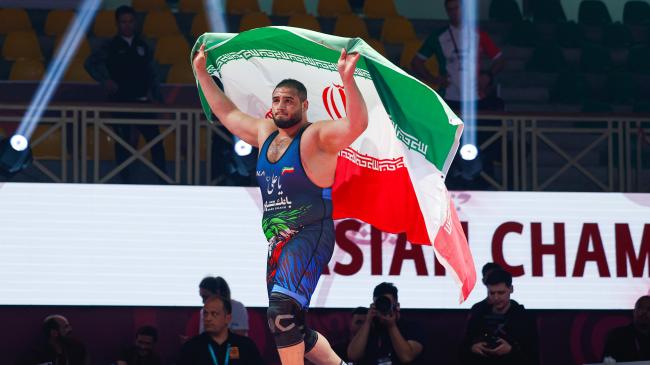
Preview: New Era at Greco 130kg as Hedayati Debuts
21 October 2026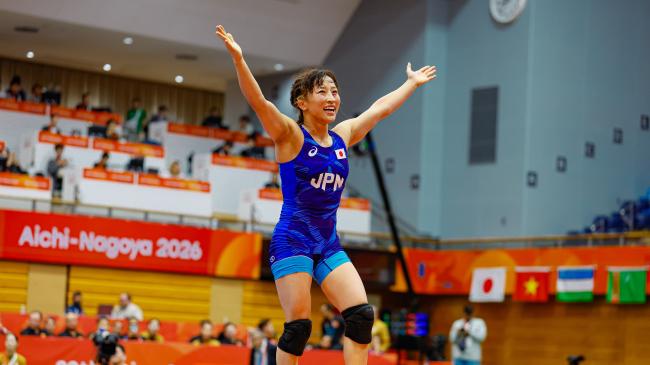
Preview: Japan Targets Women’s Wrestling Crown at World Championships
20 October 2026
Preview: Clash of Champions at World Championships
19 October 2026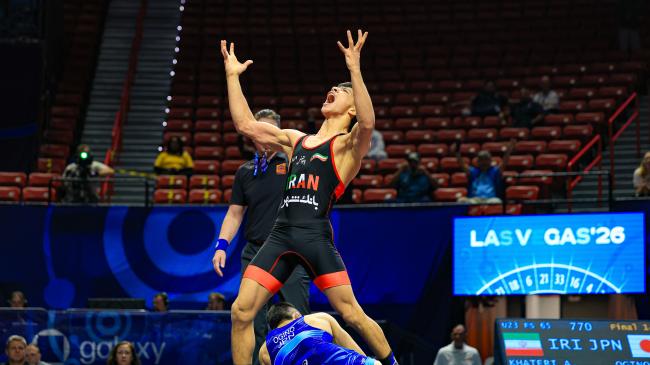
Khateri's Epic Comeback for Gold Seals Team Title for Iran
19 October 2026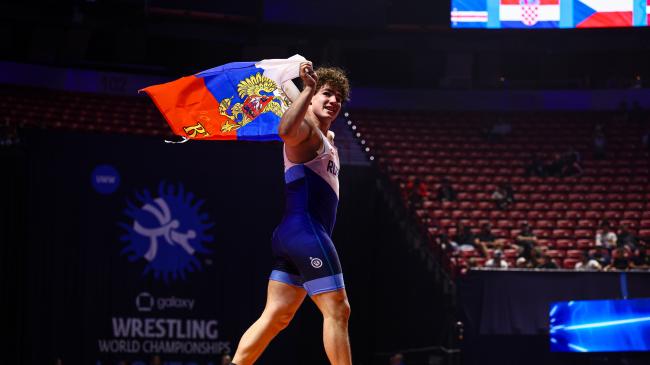
Russia, Iran Locked in Close Team Title Race at U23 World Championships
18 October 2026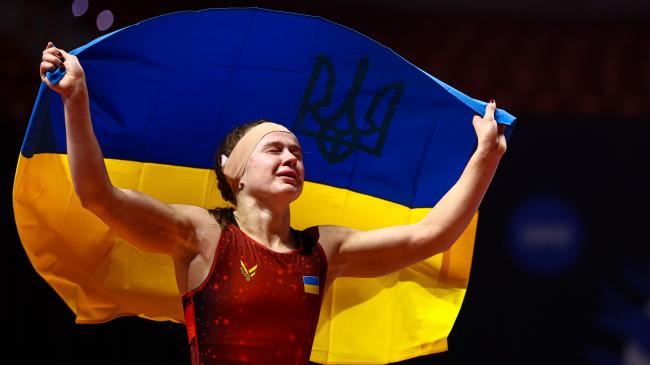
Bondar Wins Gold on Return as Ukraine Wins Team Title
17 October 2026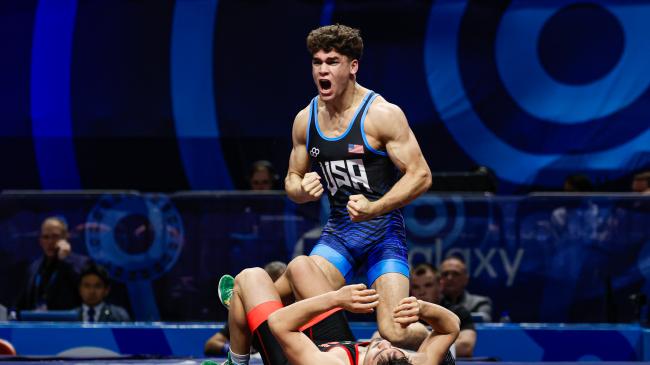
Baitukaev, James Set Up 74kg Final at U23 World Championships
17 October 2026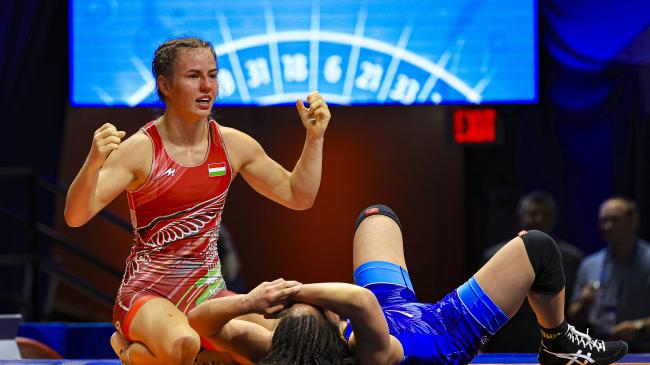
Terek Becomes Hungary's First Women's U23 World Champion
16 October 2026