



United World Wrestling joins the International Council for Coaching Excellence (ICCE) in celebrating Global Coaches Day 2026, on September 25.
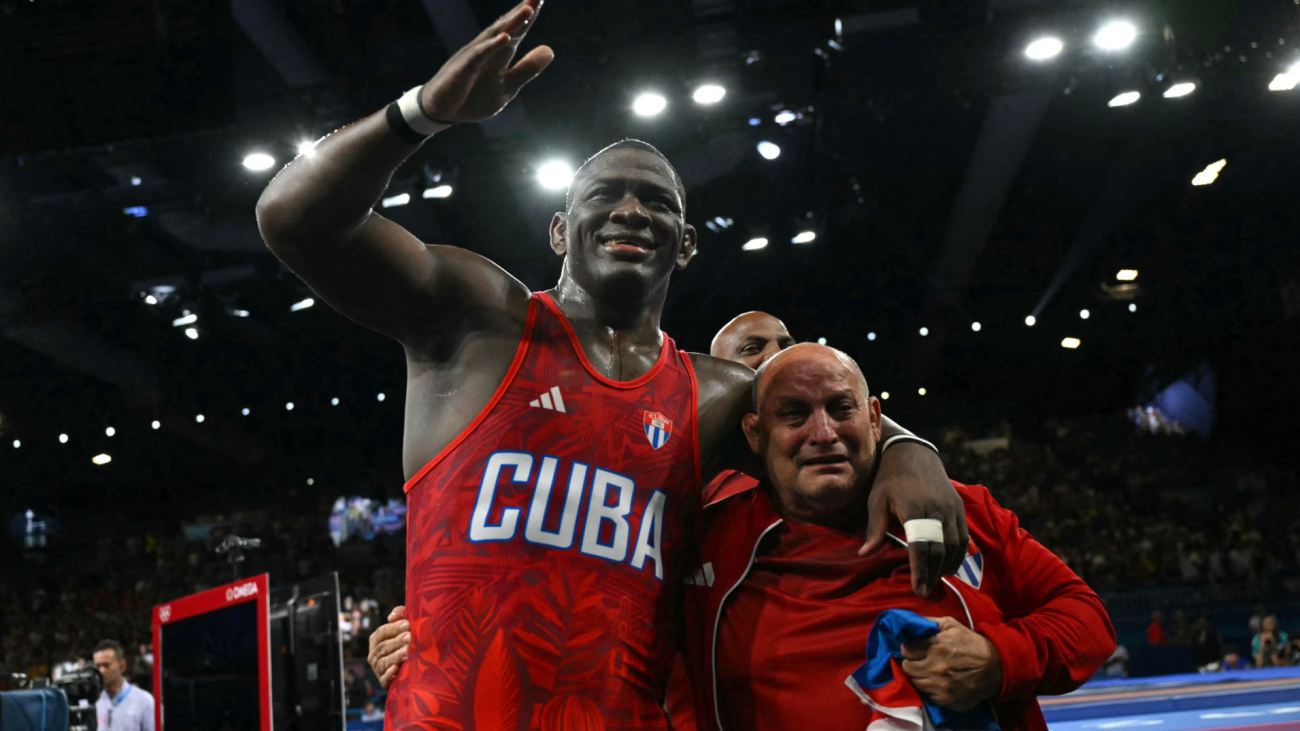
CORSIER-SUR-VEVEY, Switzerland (September 25) -- Every wrestler who steps onto a mat has a story. Behind that story is often a coach -- someone who teaches, challenges, encourages, listens, and believes long before the world sees the result.
On September 25, United World Wrestling joins the International Council for Coaching Excellence (ICCE) in celebrating Global Coaches Day 2026, recognising the extraordinary contribution coaches make to athletes, communities and sport around the world.
Read More: UWW's Deqa Niamkey Appointed ICCE Vice President
From the first wrestling practice in a local club to the Olympic Games, coaches are central to the development of wrestling. They are teachers and mentors, technical experts and leaders, motivators and role models. Their influence often extends far beyond the scoreboard.
ICCE’s Global Coaches Day 2026 initiative calls on the global coaching community to take a moment to recognise and thank the coaches who have made a difference in our lives.
For UWW, the celebration comes at an important moment as the organisation launches its new UWW Coach Education Programme, creating a structured pathway designed to support coaches throughout their development -- from novice coaches taking their first steps to experienced coaches working at the highest levels of the sport.
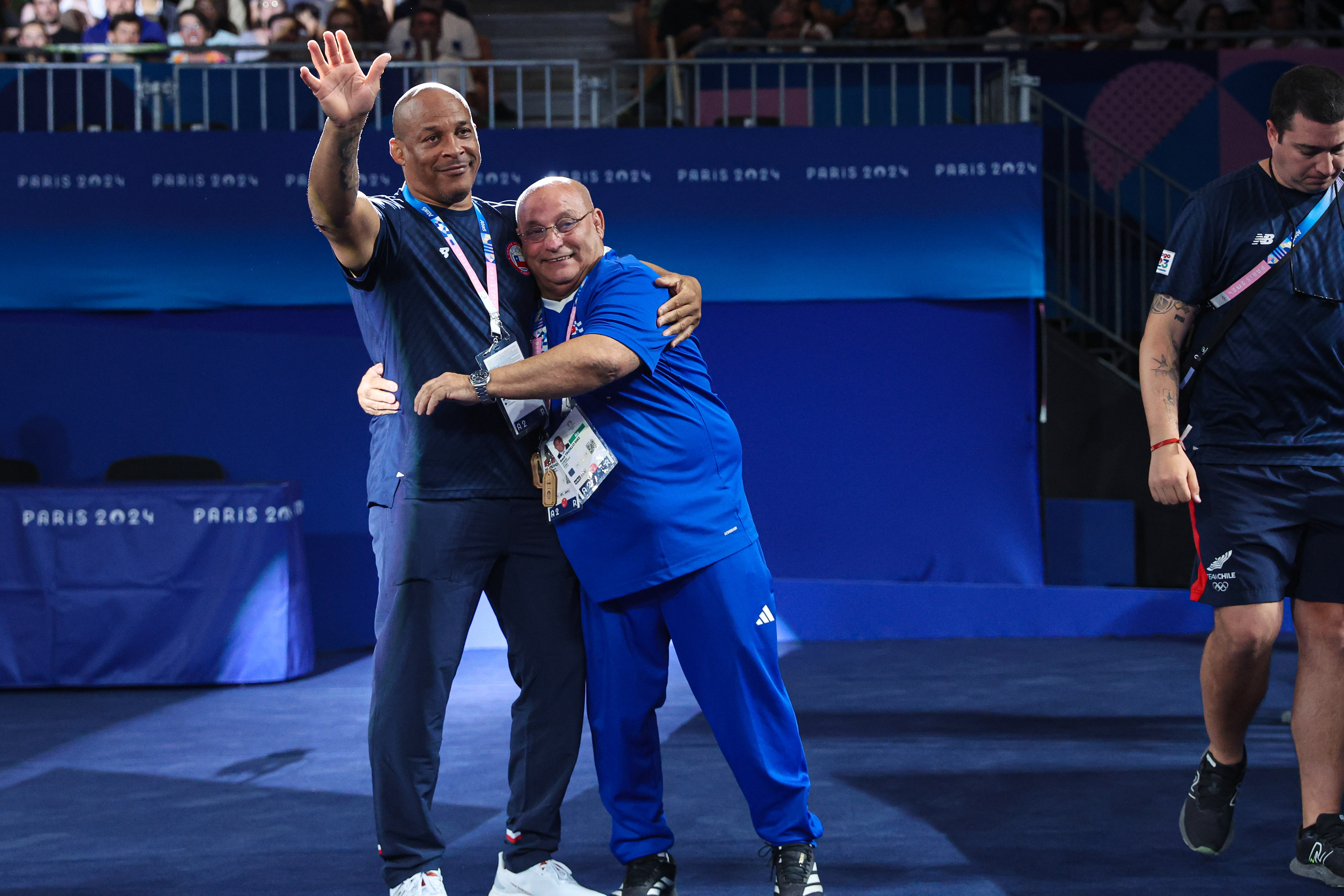
The value of coaching is perhaps easiest to understand through the stories of those who have reached the highest levels of wrestling. Few examples are more powerful than Raul Trujillo DIAZ, the longtime coach and mentor of Cuban wrestling legend Mijain LOPEZ (CUB). Trujillo guided Lopez through an unprecedented career that produced five consecutive Olympic gold medals, making Lopez the first athlete in Olympic history to accomplish the feat.
But Trujillo's legacy is not limited to the medals won by one athlete. In 2025, Trujillo received the IOC Coaches Lifetime Achievement Award and subsequently joined UWW's development efforts, with a focus on youth development, coach education and high-performance training systems.
In 2026, he has continued that work internationally, including supporting the U23 national team of Kyrgyzstan. His story illustrates one of the most important responsibilities of a great coach: passing knowledge forward.
Lopez himself is now doing the same. After retiring following the Paris 2024 Olympic Games, the five-time Olympic champion returned to the sport as a coach, joining China's national Greco-Roman team alongside Trujillo.
Another example is Kaori ICHO (JPN), one of the most successful wrestler in history. A four-time Olympic champion and 10-time world champion, Icho has transitioned from being a champion on the mat to developing the next generation of wrestlers.
In 2025, she returned to the Olympic venue in Athens -- 21 years after winning her first Olympic gold there -- this time as coach of Japan's women's team at the U17 World Championships. Her presence provided not only technical experience but inspiration for a new generation of wrestlers. These stories demonstrate that coaching excellence can take many forms.
Some coaches are celebrated internationally while others work quietly in clubs, schools and communities. Some produce world champions, others help a child discover confidence, discipline and a lifelong love of sport.
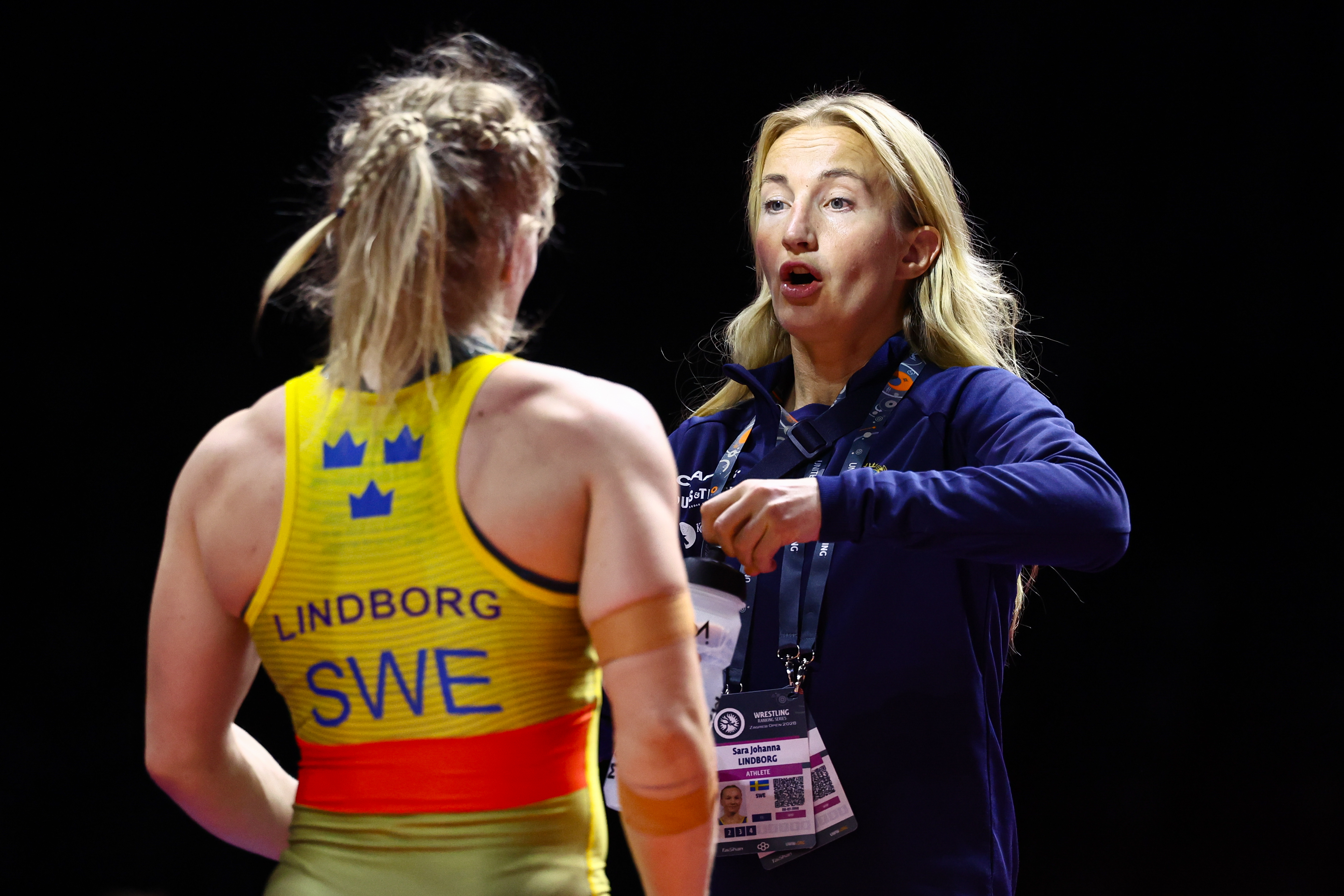
Wrestling has always understood that development is about more than winning. UWW's development programme increasingly connect athlete development with coach education, referee education, scientific knowledge, safeguarding and grassroots participation.
The Regional Educational Development Programme, for example, combines competition and athlete training with coach and referee education and talent identification, particularly in regions where wrestling is still developing its foundational structures.
This broader approach is essential because coaches influence much more than technical performance. A coach teaches an athlete how to prepare, how to respond to adversity, how to work with others and how to take responsibility. Coaches help young people develop confidence and resilience. They create environments where athletes can learn from failure and continue moving forward. And sometimes, the most successful coaching outcome is not a medal.
It is the athlete who becomes a coach. It is the young wrestler who stays involved in the sport. It is the former athlete who returns to mentor the next generation. It is the coach who shares knowledge with another coach so that an entire wrestling community becomes stronger.
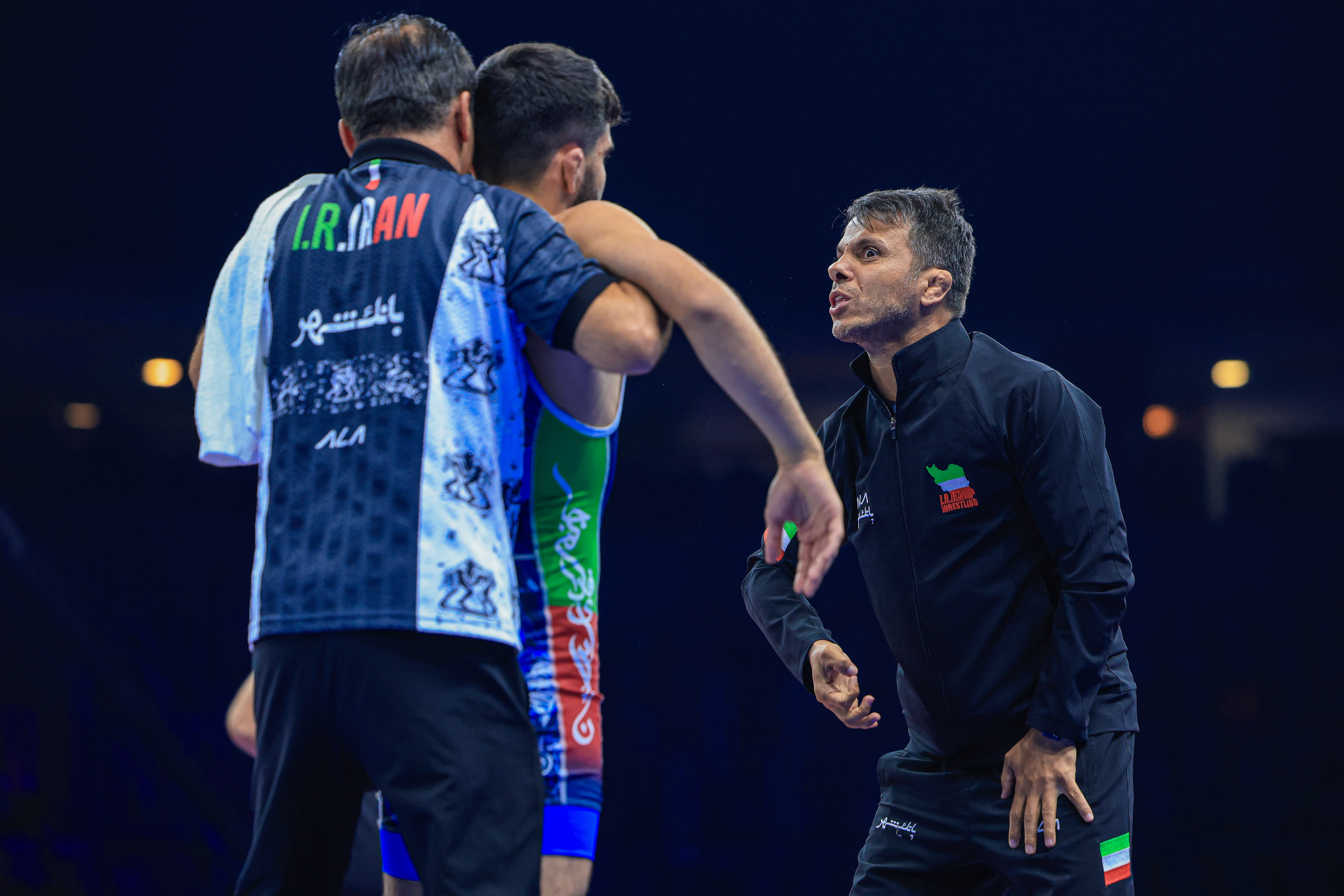
Wrestling is a truly global sport, and its coaches reflect that diversity. They work in Olympic programme and local clubs. They coach national teams and school teams, travel across continents to attend courses and competitions, while others dedicate their evenings and weekends to introducing children to wrestling.
The new UWW Coach Education Programme is designed to connect these coaches through a common framework while recognising that every coach's journey is different. The pathway provides structure, but it also encourages coaches to continue learning, reflecting and developing their own coaching philosophy.
Modern coaches must understand much more than technique and tactics. They must be educators, communicators, leaders and mentors and understand athlete safeguarding, sports science, mental preparation, nutrition, competition preparation and the individual needs of their athletes.
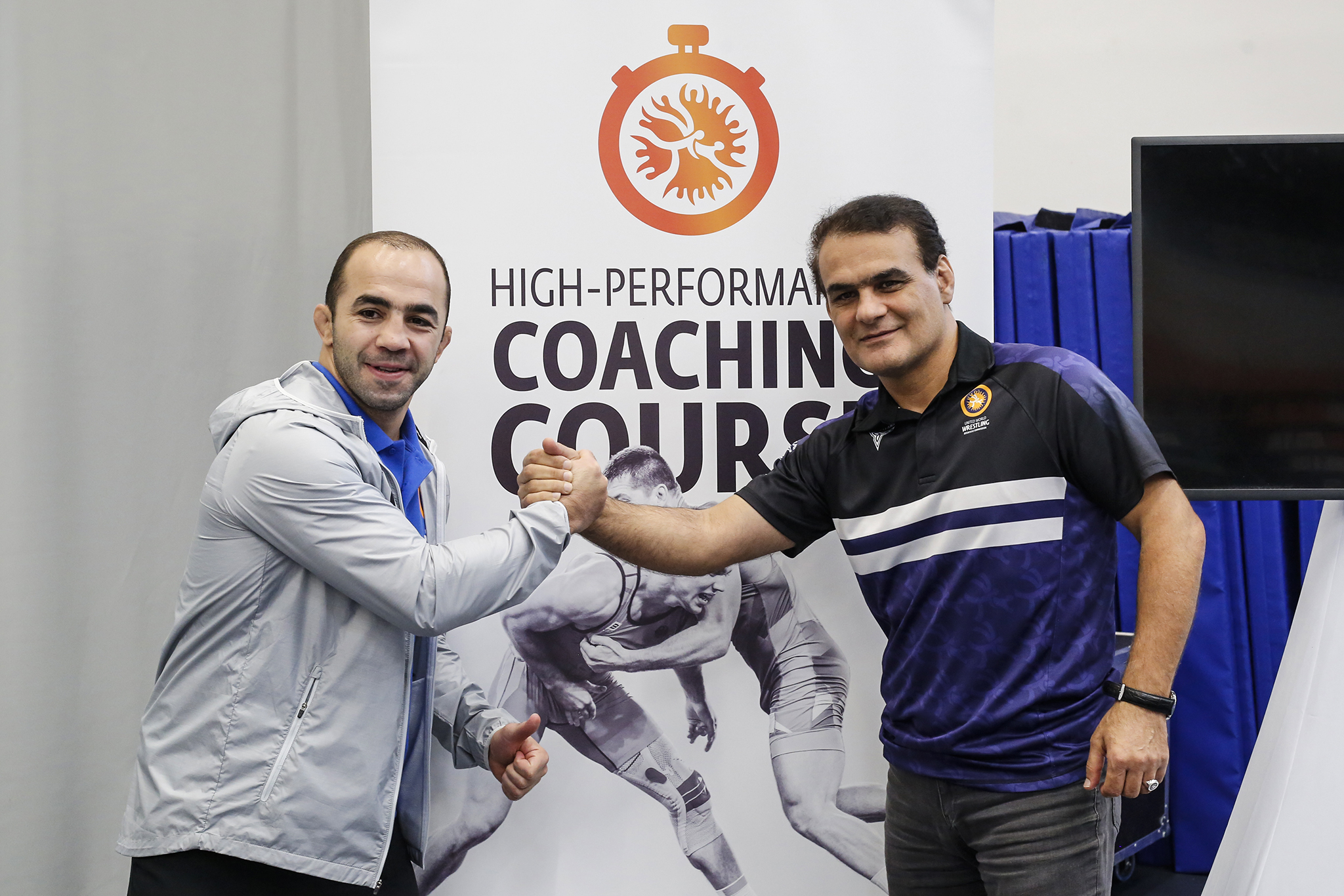
The new UWW Coach Education Programme is built around a simple principle that great coaching can be developed. The programme provides a structured pathway from novice to expert, combining education, practical experience and demonstrated coaching achievement.
It also integrates courses from the UWW Academy with face-to-face learning opportunities, creating a more comprehensive and consistent approach to coach development around the world. The four-level pathway begins with the foundations of coaching and progresses toward programme and athlete development:
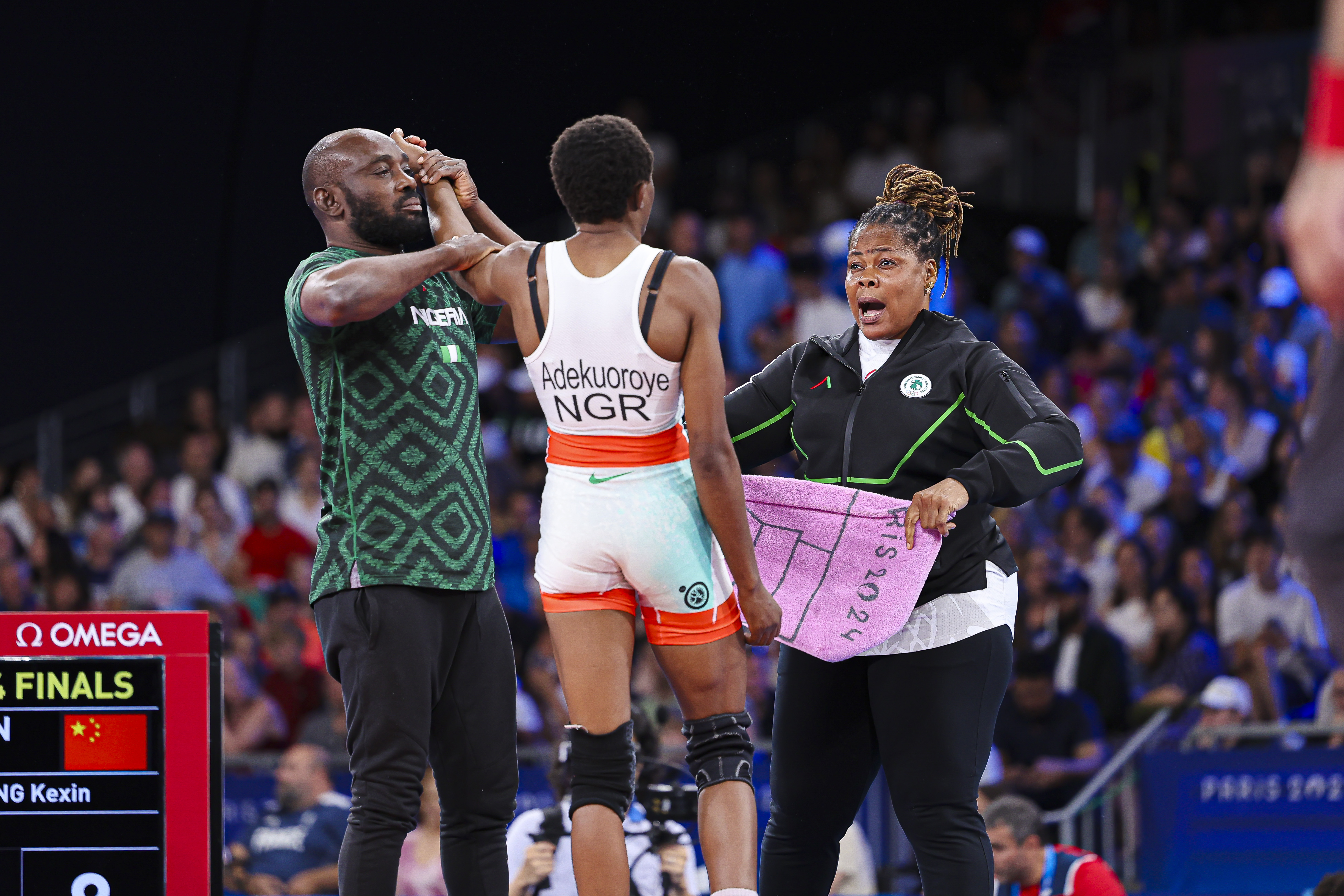
UWW's commitment to coach education is already being demonstrated around the world. In January, a Level 3 Technical Course in Cesenatico, Italy, brought together 33 coaches from Italy and several other countries.
The course combined classroom learning with practical work and observation of competition, allowing coaches to connect theory with real wrestling situations. Participants studied coaching philosophy and leadership, periodization, match analysis, technical and tactical development, safeguarding, anti-doping and athlete protection.
In Hungary, four coaches from El Salvador, Kenya, Sri Lanka and Zambia graduated from an Olympic Solidarity Coaches Scholarship Programme that combined education, mentorship and scientific coaching methods. The programme also introduced a new mentorship component and reinforced the importance of developing sustainable coaching systems within national federations.
These initiatives reflect a larger UWW commitment to ensuring that opportunities for coach development are available across all levels and regions of the sport. The 2025 UWW Development Department report highlighted the importance of continuous education for coaches, referees, administrators and athletes, while noting that the new Coach Education Programme was developed as a long-term pathway and would be delivered through the UWW Academy by expert coaches and educators from around the world.
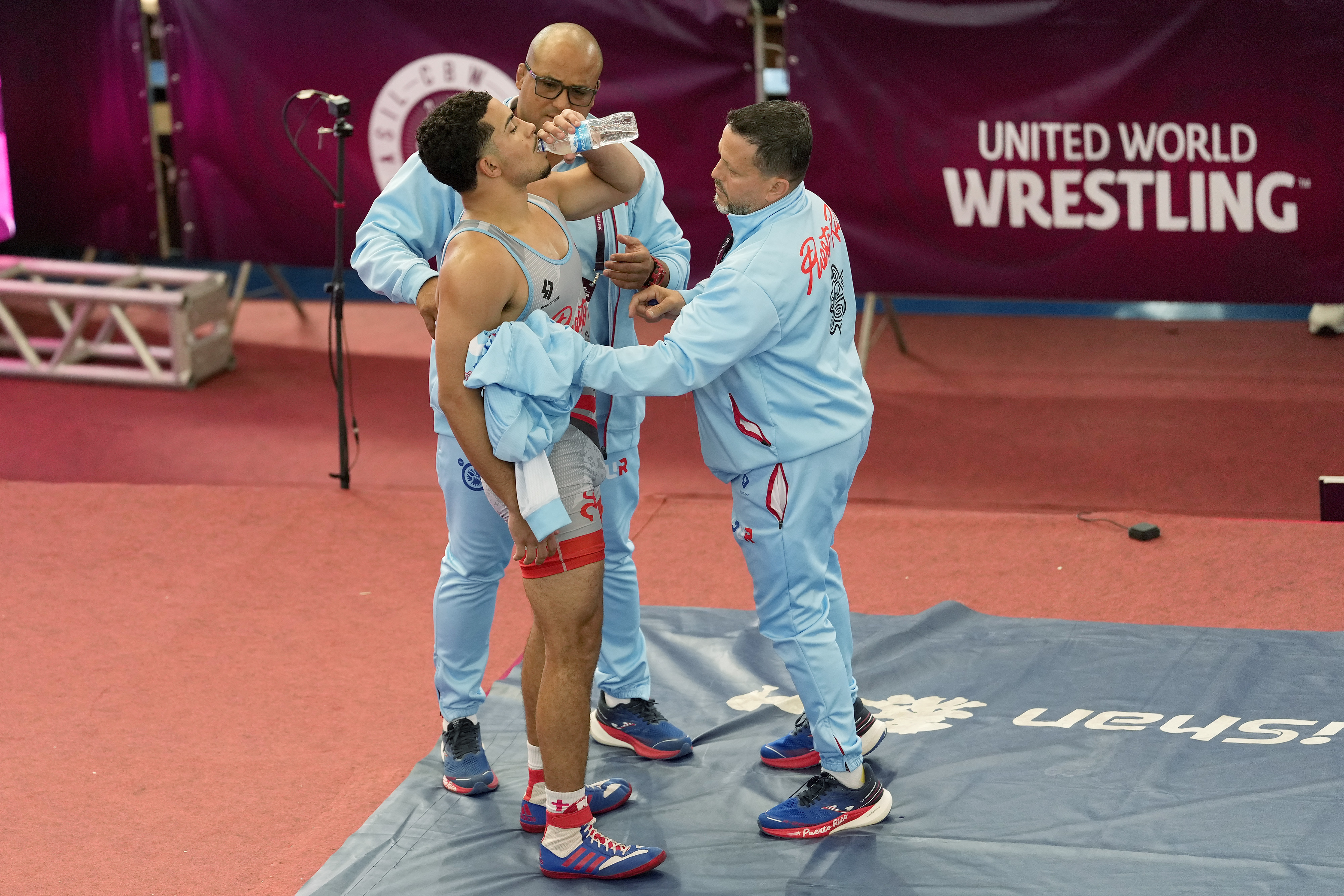
On Global Coaches Day, United World Wrestling celebrates every coach who contributes to the growth of wrestling.
To the coach teaching a young wrestler how to perform their first takedown
To the coach staying late to help an athlete prepare for a competition
To the coach travelling thousands of kilometres to learn something new
To the coach who believes in an athlete when that athlete no longer believes in themselves
To the coach who has spent decades developing champions
To the coach who is just beginning the journey.
Your work matters.
Your knowledge matters.
Your example matters.
Your impact often reaches much further than you will ever know.
As UWW continues to invest in coach education and development, the goal is not simply to produce better wrestling coaches. It is to create a global coaching community capable of helping athletes, coaches and the sport itself reach their full potential. On September 25, UWW says thank you to the coaches who make wrestling better every day.
Happy Global Coaches Day 2026.